

The latest article in our Insight Snapshot series focuses on the NRFC’s Defence Capability Priority Area and its importance in ensuring Australia’s sovereign defence capability and securing our national interests. Visit our website to read our most recent Insight Snapshots on our Value-add in Resources and Medical Science Priority Areas.
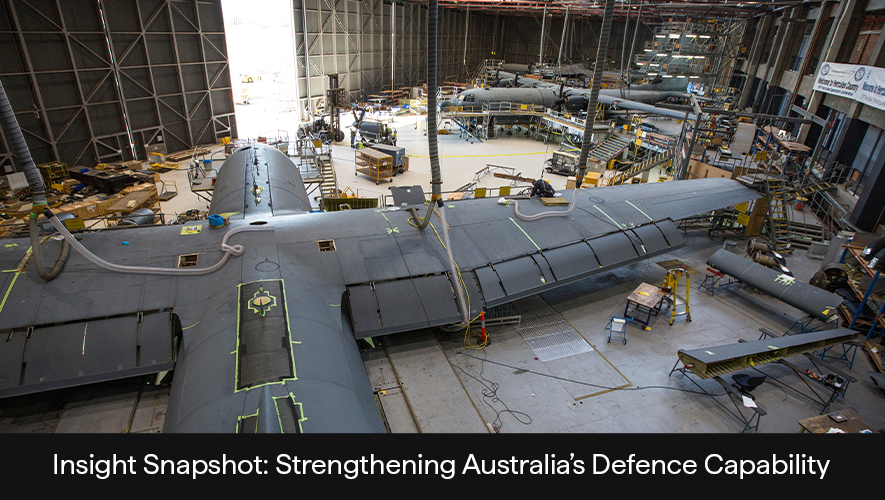
Australia’s strategic environment is evolving rapidly. Global tensions, technological disruption, and the increasing complexity of modern warfare have underscored the need for sovereign defence capability.
The NRFC is investing to ensure Australia can design, manufacture, and sustain critical defence technologies onshore to build resilience, create high-value jobs, and secure our national interests.
Why defence capability matters
Defence is not just about security, it is a driver of industrial innovation and economic growth. Australia’s defence sector already contributes billions to GDP and supports tens of thousands of skilled jobs. But the stakes are rising. As global supply chains become more fragile and potential adversaries invest heavily in advanced technologies, Australia faces a need to reduce reliance on imported systems and strengthen its sovereign industrial base.
The importance and development of defence capability is underscored by Pillar II, Advanced Capabilities Cooperation, of the AUKUS agreement and consequent opportunities for Australian industry.
The NRFC’s Defence Capability Priority Area is about ensuring Australia can produce and maintain essential defence products, from advanced components and systems to complete platforms, while embedding cutting-edge technologies like AI, robotics, and quantum security into our defence ecosystem.
What technologies and capabilities are included?
The NRFC’s Defence Capability Priority Area spans a broad range of technologies and manufacturing capabilities, including:
- Advanced materials and components: High-performance alloys, composites, and precision-engineered parts for defence platforms.
- Autonomous and robotic systems: Unmanned aerial, land, and maritime vehicles for surveillance, logistics, and combat support.
- Cybersecurity and quantum resilience: Technologies to protect defence networks against current and future cyber threats.
- Sensor and communication systems: Secure, high-bandwidth solutions for situational awareness and command operations.
- Energy and propulsion systems: Low-emission and high-efficiency power solutions for defence vehicles and installations.
- Maintenance, repair, and overhaul capabilities: Facilities and technologies to sustain defence assets throughout their lifecycle.
These capabilities are critical not only for defence readiness but also for driving innovation across adjacent sectors such as aerospace, advanced manufacturing, and enabling technologies.
The opportunity for industry
Global defence spending is projected to exceed US$3 trillion by 2035, with allied nations prioritising secure supply chains and sovereign capability. For Australian companies, this represents a significant opportunity to:
- enter high-value markets through dual-use technologies
- collaborate with global primes as trusted partners in allied supply chains
- leverage advanced technologies that underpin competitiveness across the economy.
The NRFC’s role is to provide patient, strategic capital to help businesses scale, innovate, and compete globally. By investing in defence manufacturing and technology development, we aim to anchor more of the value chain in Australia.
Why now?
Recent global events – from supply chain disruptions to escalating regional tensions – have highlighted potential vulnerabilities in Australia’s defence procurement model. Over-reliance on offshore production creates risks and building sovereign capability is essential for national security, economic resilience, and technological leadership.
Defence manufacturing is also a catalyst for regional development. Many defence projects are based outside capital cities, creating skilled jobs and revitalising local economies. This aligns with the NRFC’s broader mandate to drive inclusive growth and strengthen Australia’s industrial base.
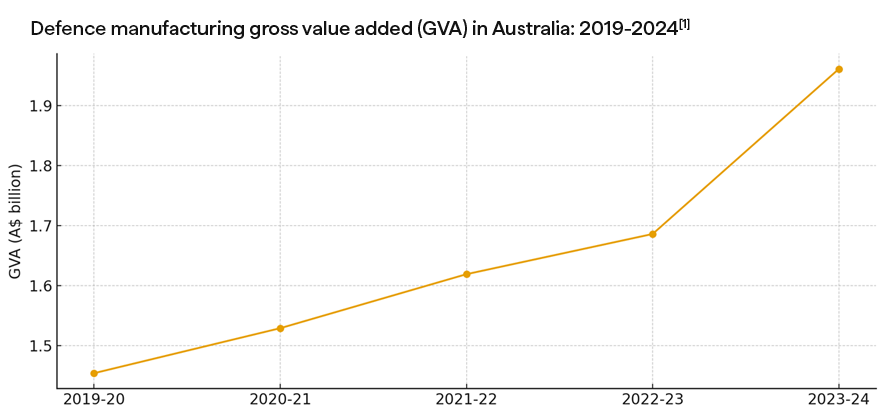
What does success look like?
- Sovereign production of critical defence components and systems.
- Integration of advanced technologies into defence platforms.
- Robust local supply chains supporting allied interoperability.
- Creation of secure, high-skilled jobs across engineering, manufacturing, and R&D.
- Regional revitalisation through defence-related investment.
What’s next?
The NRFC continues to engage with the Australian Government, defence primes, startups, and other defence manufacturers to identify investment opportunities that enhance Australia’s sovereign defence capabilities.
Australia has world-class defence R&D and a growing start-up sector developing dual-use technologies. By investing in these early-stage companies while continuing to support more established defence manufacturers, the NRFC can help to further build Australia’s reputation as a strong partner in defence innovation and manufacturing.
NRFC investment case studies
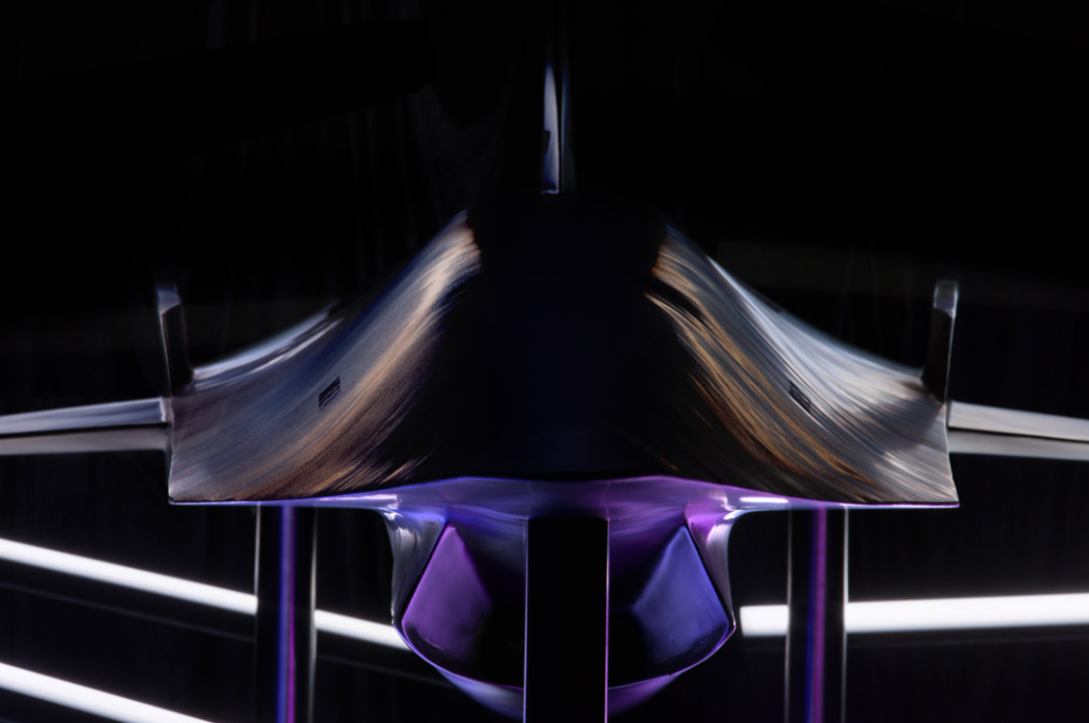
Hypersonix Launch Systems
The NRFC has made a $10 million equity investment in Hypersonix Launch Systems, an Australian aerospace innovator developing next-generation scramjet engines and hypersonic aircraft. Hypersonix’s hydrogen-powered DART vehicle travels at Mach 5–7 and represents a breakthrough in reusable, zero-emission hypersonic flight.
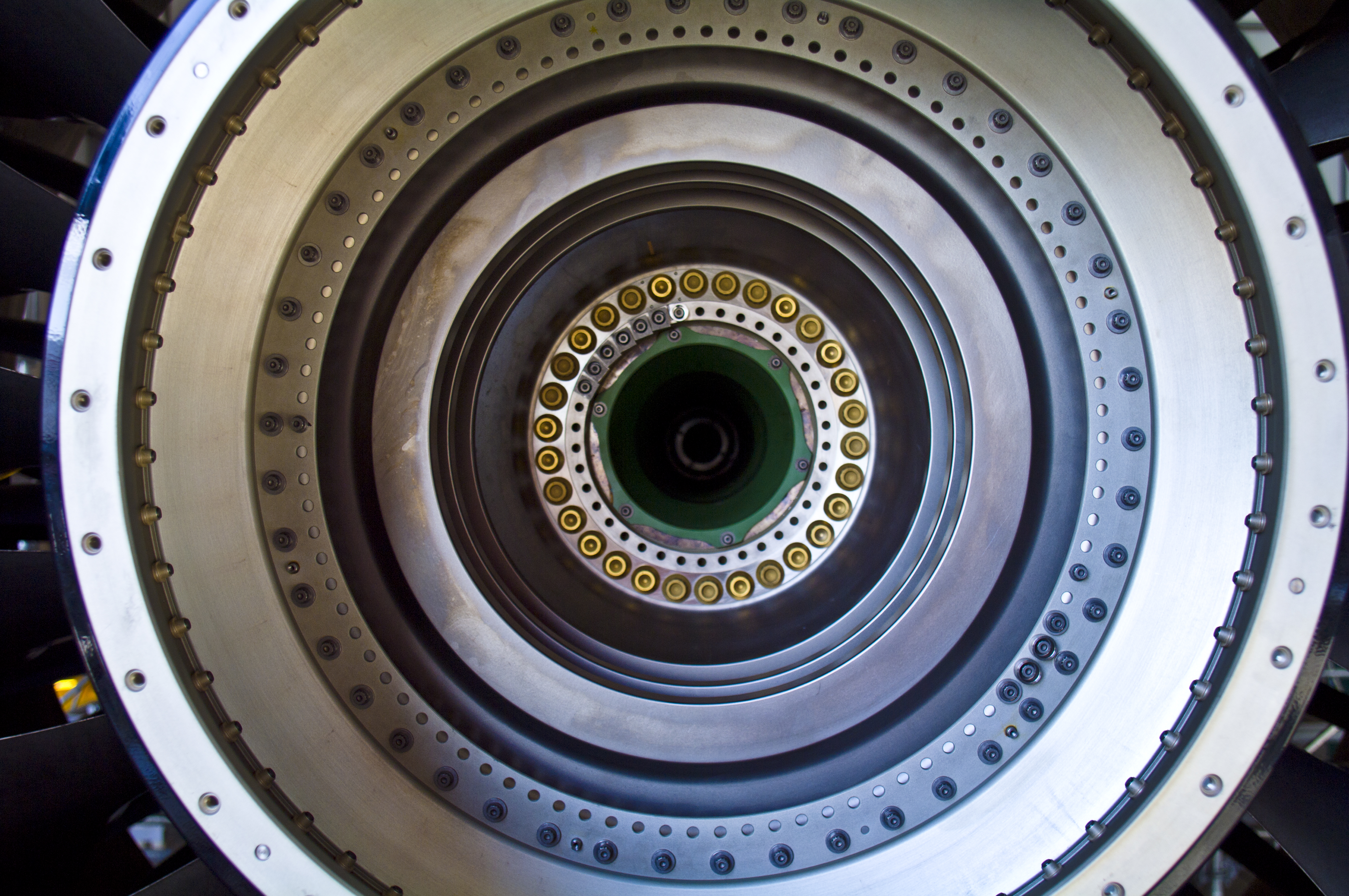
Australian Sovereign Defence and Advanced Manufacturing (ASDAM)
The NRFC has made a $150 million debt investment in ASDAM, a leading defence manufacturer and exporter. ASDAM partners with global defence primes and governments on long-term programs and provides end-to-end capability across design, engineering, manufacturing, assembly, and sustainment.
Get in touch
Do you have an investment-ready proposal in the Defence Capability Priority Area? Read our investment guidance and then contact the NRFC to discuss if your project is eligible for funding and how we can work together to build Australia’s sovereign defence capability.
[1] Australian Bureau of Statistics, 2025. Australian Defence Industry Account, experimental estimates, 2023-24. https://www.abs.gov.au/statistics/economy/national-accounts/australian-defence-industry-account-experimental-estimates/latest-release(Opens in a new tab/window)